The one thing that matters most: dry, not just clean
The classic UAE storage failure is not dust or heat. It is wrapping something that is not completely dry.
Dubai humidity regularly sits high, and anything sealed in plastic while holding moisture will develop mildew — on upholstery, on mattress seams, and inside appliance drums. Sealed plastic does not let it dry out; it holds it in place against the fabric.
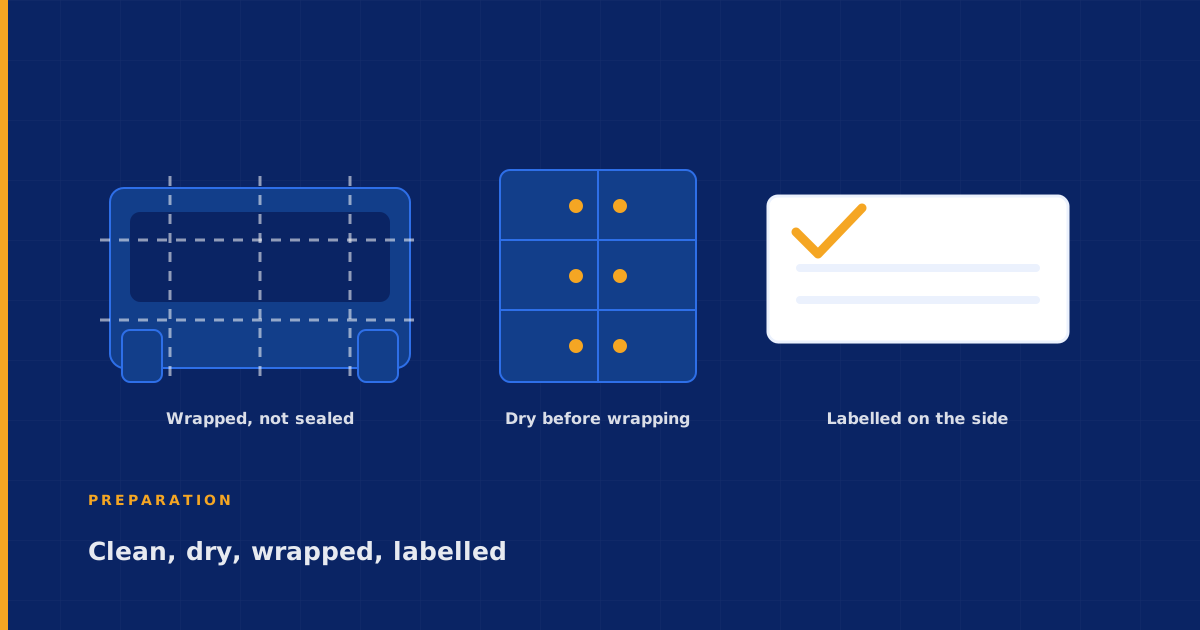
So the rule is: clean it, then let it dry completely — a full day in a conditioned room, not an hour in front of a fan — and only then wrap it.
Wood
- Clean and dry, then apply a wood conditioner or polish. Dry air over months pulls moisture out of timber and opens joints.
- Disassemble what disassembles. Table legs, bed frames, shelving. It reduces volume and removes the joints most likely to be stressed in handling.
- Bag the fixings and tape the bag to the underside of the piece it belongs to. A bag of screws in a box is a bag of screws you will not find.
- Do not wrap solid wood tightly in plastic. Wood needs to breathe. Moving blankets first, plastic only as an outer layer if at all.
- Never store wood directly on the floor. It should be on a pallet or a riser.
Leather and upholstery
- Vacuum thoroughly, including under cushions and in the seams. Crumbs are what attract pests.
- Condition leather before storage. Leather that dries out over months cracks, and it does not come back.
- Never seal fabric or leather in plastic. Use breathable covers or cotton sheets. This is the most common expensive mistake.
- Remove and bag the cushions separately if the sofa will be stored on its side.
Mattresses
- Use a proper mattress bag, not bin liners taped together.
- Store flat. A mattress stored on its edge for weeks develops a permanent lean, particularly a pocket-sprung one.
- Do not stack heavy items on it. It is not a shelf, and compressed foam does not recover.
- Make sure it is bone dry. A mattress is the item most likely to be holding humidity and the one where mildew is least recoverable.
Appliances
- Defrost and drain fridges and freezers 24 hours before collection, not on the morning of. They take longer to dry than people expect.
- Drain washing machines properly — the drum, the drain hose and the filter. Residual water in a sealed drum is exactly the mildew scenario.
- Leave doors slightly ajar where the appliance will be stored upright, or wedge them. A sealed door traps whatever moisture is left.
- Tape cables to the back of the unit and keep the manual with it.
Electronics
- Original boxes if you have them. They were designed for exactly this.
- Remove batteries from everything. Batteries left in remotes and devices leak, and leaked batteries destroy the contacts.
- Photograph the back of the TV or the desk setup before unplugging. You will not remember which cable went where.
- Bag and label cables per device rather than throwing them all into one box.
Labelling and the inventory
Two rules that save the most time later:
- Label by room and contents, on the side of the box, not the top. Boxes get stacked, and a label on the top of a box is a label you cannot read.
- Keep a separate ‘first week’ box and mark it clearly — bedding, towels, chargers, kettle, basic tools. Whatever you store, this box goes last and comes back first.
With Smart Space every item is photographed and recorded on video during collection, so you have a visual record of what was handed over without having to build a spreadsheet yourself.
What not to put into storage at all
Some things should never be packed, regardless of preparation: food and anything perishable, plants, flammables such as gas cylinders, fuel and solvents, and cash, jewellery or important original documents. See what cannot be placed in storage for the full list.
Want this priced for your place?
Send a few photos of the rooms on WhatsApp. We come back with the size, the cost and a collection slot — before you commit to anything. Storage from AED 500 a month, excluding VAT, with no lock-in contract.
Get a quote on WhatsAppOr read more about Managed storage in Dubai.